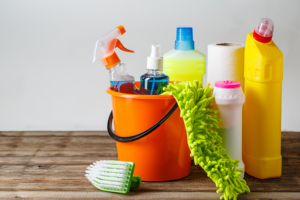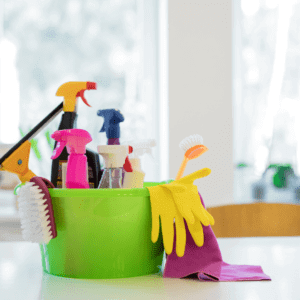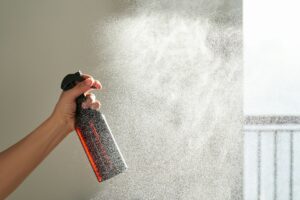



A wide variety of chemicals that can be harmful to our health and the environment are used as ingredients within common cleaning, sanitizing, and disinfecting products. These chemicals can make indoor air unhealthy to breathe, irritate the skin and eyes, harm the respiratory tract and endocrine system, increase cancer risks, and pollute the natural environment.
Consumers can choose products that have been certified as healthier for humans and environments by a reputable, independent third party certification program like EPA’s Safer Choice, EPA’s Safer Choice Fragrance Free, EPA’s Design for the Environment (DfE) , GreenSeal or EcoLogo. Consumers can also choose to make their own simple cleaning products.
Children's toys and art supplies can contain endocrine disrupting chemicals, lead, cadmium, asbestos, organic solvents, and other toxic ingredients. Luckily, there are safer options on the market, too (see What you can do).
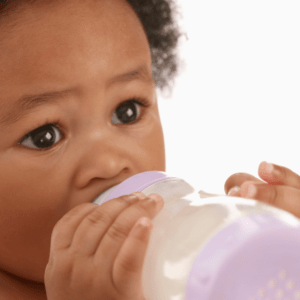
Certain plastics contain chemicals that are harmful to health even at low levels of exposure. Soft, flexible plastics are often made with chemicals called phthalates, and some hard clear plastics can be made with a chemical compound called bisphenol-A (BPA). These ingredients interfere with hormones (such as estrogen and testosterone) and may disrupt a child’s normal development and growth, especially if the child is exposed to these chemicals over long periods of time, including while still in the womb.
In a study of more than 6,000 pregnant women, researchers with the National Institutes of Health found that a higher concentration of phthalates in urine samples correlated to a greater likelihood of preterm births. The research also found that reducing exposure to phthalate levels by 50% could prevent preterm births by close to 12%. Preterm birth is a top cause of newborn death and long-term health and developmental concerns.
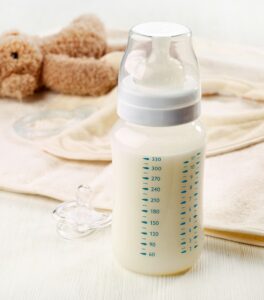
Phthalates can be found in PVC (polyvinyl chloride), plastic (e.g,.vinyl lunchboxes, raincoats, bath books, rubber duckies, and beach balls), food packaging, and fragranced products. Bisphenol A (BPA) can be found in baby bottles, water bottles, sippy cups, regular drinking cups, canned food liners, and receipts. Art and craft supplies can contain toxic ingredients that can cause immediate and/or long-term health effects. Lead, cadmium, asbestos, and organic solvents are sometimes used to enhance pigmentation, preserve art products, and improve their application. These toxic ingredients can trigger asthma, allergies, headaches, and nausea, especially if used in a poorly ventilated area.